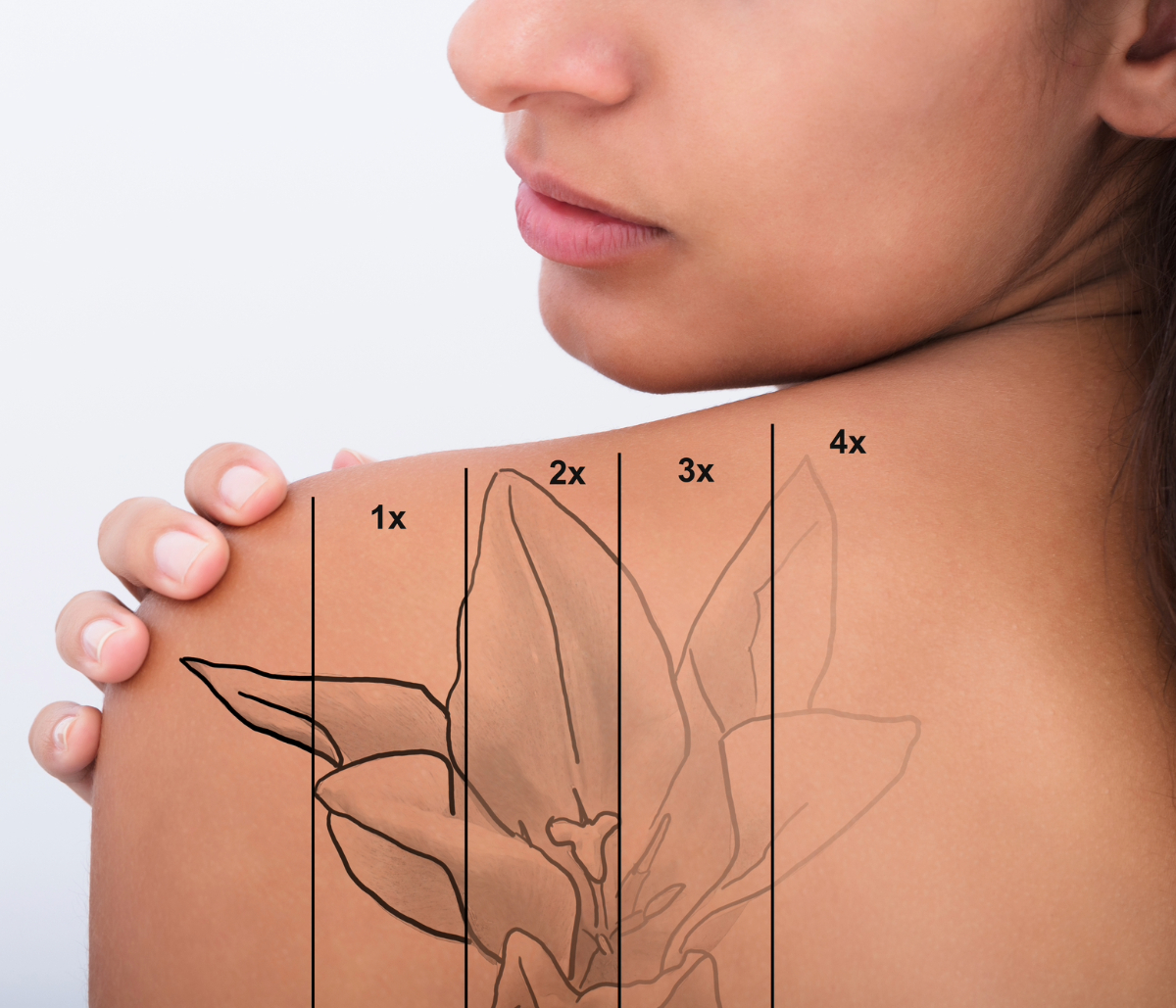


Laser Tattoo Removal
At DRS Skincare Hamilton, ON

Treatment Laser Tattoo Removal
Indications

Black or coloured tattoo

Treatment Recovery Up to 2 weeks
# Of Treatments Required 6-12 sessions
Best Results Seen 3 months post final treatment

*estimate of sessions to be determined in consultation

Preparing for Your Laser Tattoo Removal Treatment in Hamilton, Ontario

At DRS Skincare, we specialize in laser tattoo removal to help patients safely and effectively fade or eliminate unwanted tattoos. Led by Dr. Rahul Shukla, our office in Hamilton, Ontario, offers advanced laser technology and personalized care to ensure the best possible outcomes. Proper preparation is essential to maximize your results, so here’s everything you need to know before starting your tattoo removal journey.

What are the steps involved in the tattoo removal process at DRS Skincare?

Step 1: Schedule a Consultation

Your tattoo removal journey begins with a consultation at DRS Skincare. During this visit:

  • We assess your tattoo’s size, colour, and location to determine its suitability for laser treatment.
  • We review your medical history to ensure the procedure is safe for you.
  • We develop a customized treatment plan based on your skin type and tattoo characteristics.

Step 2: Understand the Treatment Process

In some cases, complete removal may not be possible, but significant fading or lightening can help prepare the area for a tattoo cover-up.

Most patients require 6 to 12 sessions, depending on the tattoo’s size, colour, and complexity.

Sessions are spaced 8 weeks apart to allow proper healing and optimal results.

Preparing for Your Laser Tattoo Removal Treatment in Hamilton, Ontario
How can I prepare for laser tattoo removal treatment?

How can I prepare for laser tattoo removal treatment?

Proper preparation can ensure a smoother treatment process and better results. Follow these tips before your session:

  • Stay Hydrated – Drink plenty of water to support skin healing and improve laser treatment effectiveness.
  • Avoid Sun Exposure – Protect the tattooed area from sun exposure for 10–14 days before your session. Tanned or sunburned skin increases the risk of complications.
  • Shave the Area (If Needed)—If the tattoo is in a hairy area, shave the skin before your appointment. This ensures the laser targets the ink without interference.
  • Inform About Medications – Certain medications can make your skin more sensitive to the laser. Discuss any medications or supplements with your doctor beforehand.
  • Cleanse the Area – On the day of your session, gently cleanse the tattooed area with soap and water. Avoid applying lotions, creams, or makeup.

What should I expect during laser tattoo removal?

Laser tattoo removal is an effective method for breaking down ink particles in the skin. Here’s what you can expect:

  • Treatment Sessions: Each session lasts between 15 and 45 minutes, depending on the tattoo’s size and complexity.
  • Gradual Fading: Results become noticeable after the first few sessions, with full results appearing several months after completing treatment.
  • Minimal Downtime: Most patients experience mild redness or swelling but can resume normal activities immediately.

What are the aftercare tips for laser tattoo removal?

Proper aftercare is critical for achieving the best results and preventing complications:

  1. Same-Day Care
    • Avoid touching or rubbing the treated area.
    • Apply a cold compress to reduce redness or swelling.
    • Keep the area clean and avoid harsh products.
  2. Post-Treatment Healing
    • Avoid Picking Scabs: Allow scabs to heal naturally to prevent scarring.
    • Apply Ointment: Use antibiotic ointment as directed to reduce the risk of infection.
    • Protect from Sun Exposure: Apply sunscreen with SPF 30+ once the skin heals.
  3. Manage Discomfort
    • Over-the-counter pain relievers like acetaminophen can ease mild discomfort. Avoid aspirin, as it may increase bleeding.

Start Your Laser Tattoo Removal Journey Today

Ready to fade or remove an unwanted tattoo? DRS Skincare in Hamilton, Ontario, offers state-of-the-art laser tattoo removal to help you achieve your desired results safely and effectively.

Call us at (905) 524-1712 to schedule your consultation today.
Visit us at 1662 Upper James Street, Hamilton, ON, to take the first step toward clear, ink-free skin.

Aftercare tips for laser tattoo removal

Frequently Asked Questions (FAQ)

How does laser tattoo removal work?

Laser tattoo removal uses targeted light energy to break tattoo ink into smaller particles. Your immune system gradually clears these particles, leading to progressive fading. Different laser wavelengths may be used, depending on the ink colors, to maximize results while protecting the surrounding skin.

Who is a good candidate for laser tattoo removal?

Most healthy individuals with unwanted tattoos are good candidates. The number of treatments depends on tattoo size, ink density, color, location, and the length of time the tattoo has been present. A consultation helps determine what results are realistic and how many sessions may be needed.

What can patients expect during a laser tattoo removal session?

During treatment, the laser is passed over the tattooed skin. Most patients describe the sensation as a snapping or stinging sensation, similar to a rubber band. Numbing options and cooling may be used for comfort. Sessions typically last 15–45 minutes, depending on tattoo size. Temporary redness and swelling afterward are common.

How many sessions are required?

Many tattoos require 6–12 sessions, usually spaced 6–8 weeks apart. Some require more. Longer spacing helps your skin heal and allows more time for natural ink clearance between treatments.

Are there side effects or risks?

Temporary redness, swelling, blistering, or scabbing can occur. Pigment changes (lighter or darker skin) are possible, especially in darker skin tones or with sun exposure. Scarring is uncommon but possible. Proper technique and aftercare significantly reduce risks.

Can all tattoo colors be removed?

Black responds best. Blue and red often respond well, too. Lighter colors such as yellow, green, and pastel inks may require additional sessions and specialized approaches. A dermatologist can evaluate the tattoo and recommend the most effective plan.

What aftercare is needed?

Keep the area clean and protected, avoid sun exposure, and follow your provider’s instructions regarding ointment and dressings. Do not pick blisters or scabs. Good aftercare reduces complications and improves fading outcomes.